
Everything You Need to Know About the Mediterranean Diet
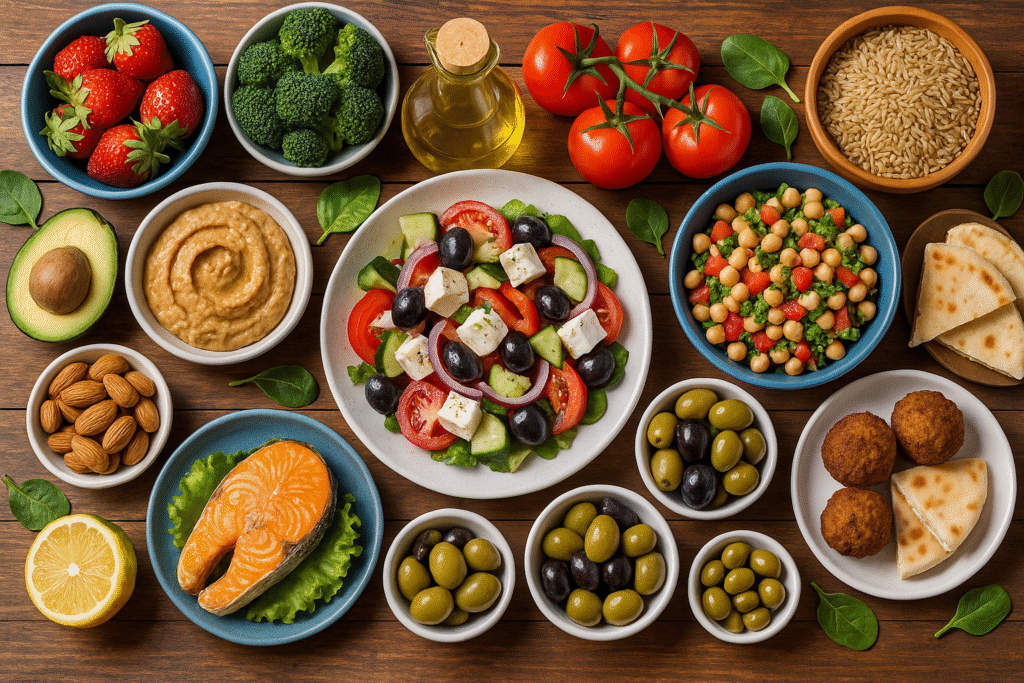
The Mediterranean diet is more than just a food plan—it’s a sustainable, healthy lifestyle inspired by the traditional eating habits of countries bordering the Mediterranean Sea. Rich in fresh vegetables, fruits, whole grains, nuts, legumes, fish, and olive oil, this way of eating has earned global recognition for its incredible health benefits.
What Is the Mediterranean Diet?
At its core, the Mediterranean diet emphasizes plant-based foods, healthy fats, and lean protein. While it’s flexible and adaptable, it steers clear of processed foods, added sugars, and unhealthy fats. Countries like Greece, Italy, and Spain have historically followed this approach—often unknowingly—long before it became a trend in nutrition and wellness circles.
Key Components of the Mediterranean Diet
- Fruits and vegetables (daily)
- Whole grains such as oats, barley, and brown rice
- Legumes (lentils, chickpeas, beans)
- Nuts and seeds
- Healthy fats, especially extra virgin olive oil
- Seafood and fish (at least twice a week)
- Moderate consumption of poultry, eggs, and dairy
- Limited red meat
Health Benefits of the Mediterranean Diet
Research has consistently shown that the Mediterranean diet supports long-term health and well-being. Here are just a few proven benefits:
- Reduces risk of cardiovascular diseases
- Lowers cholesterol and blood pressure
- Helps in weight management
- Supports brain function and reduces risk of Alzheimer’s
- Anti-inflammatory and supports joint health
How to Start the Mediterranean Diet
Transitioning to this diet is simple and doesn’t require you to count calories or follow restrictive rules. Begin by making small, consistent changes:
- Swap butter for olive oil
- Add a serving of vegetables to every meal
- Replace red meat with grilled fish or legumes
- Snack on almonds or fresh fruit
- Cook with herbs and spices instead of salt
Sample Mediterranean Meal Plan
Breakfast: Greek yogurt with honey, walnuts, and berries
Lunch: Quinoa salad with chickpeas, cucumber, tomatoes, and olive oil
Dinner: Grilled salmon with roasted vegetables and a side of brown rice
Snack: Hummus with raw carrots and celery
Is the Mediterranean Diet Right for You?
Whether you’re looking to lose weight, improve heart health, or just eat better, the Mediterranean diet is a balanced and enjoyable approach. It promotes a wide variety of nutrient-dense foods and doesn’t completely eliminate any major food group, making it sustainable for most people.
Common Myths Debunked
Myth: You need to live by the sea or eat exotic foods.
Fact: The Mediterranean diet is about principles, not geography. You can follow it anywhere using local ingredients.
Myth: It’s too expensive.
Fact: With proper planning, this diet can be budget-friendly—think legumes, grains, and seasonal produce.
Helpful Resources
- Books and cookbooks tailored to Mediterranean recipes
- Meal planning apps and printable shopping lists
- Online communities for support and recipe exchange
Ready to Get Started?
We’ve curated an all-in-one guide that includes a 4-week Mediterranean meal plan, shopping lists, beginner-friendly recipes, and a bonus Green Mediterranean guide to help you kickstart your transformation.
Get the Mediterranean Diet PlanFinal Thoughts
The Mediterranean diet isn’t about restrictions—it’s about abundance. Abundance of flavor, health, and vitality. As you explore this new way of eating, remember that consistency is more important than perfection. Small daily habits build long-term success.
Start Your Journey Today